Churchill Slept Through a War — And It Made Him Sharper 💥😴
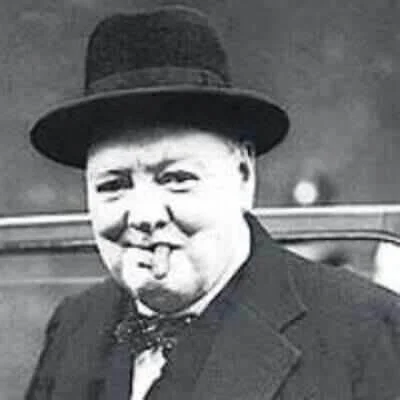
Winston Churchill, wartime leader and prolific nap advocate
Picture it: London, 1940. The Blitz is pounding the city. Air raid sirens wail. Cabinet meetings run past midnight. And somewhere in the Prime Minister’s residence at 10 Downing Street, Winston Churchill—arguably one of the most stressed men on the planet—is… taking a nap.
Not hiding. Not idling. Strategically napping.
Churchill wasn’t just a wartime leader with a cigar. He was a staunch believer in the power of daily naps—a habit he claimed helped him stay sharp through some of the most turbulent nights in modern history. In fact, he scheduled naps so consistently that staffers and military aides built his entire daily routine around them.
🕑 “You Must Sleep Some Time Between Lunch and Dinner”
Churchill was famous for saying, “Nature has not intended mankind to work from eight in the morning until midnight without that refreshment of blessed oblivion which even a short period of sleep affords.”
Every afternoon—bombs or no bombs—he changed into pajamas, climbed into bed, and took a 90-minute nap. Sometimes less. Sometimes a bit more. Then he’d get up, change back into his suit, and attack the second half of the daywith the focus of a man who’d just woken up at sunrise.
This wasn’t laziness. This was strategy.
Where others burned out, Churchill split his day in two, using the nap as a kind of neurological reset. His evenings—when others were flagging—were when he often did his best work: writing speeches, meeting generals, and making decisions that shaped history.
⚔️ How a Nap Became a Wartime Weapon
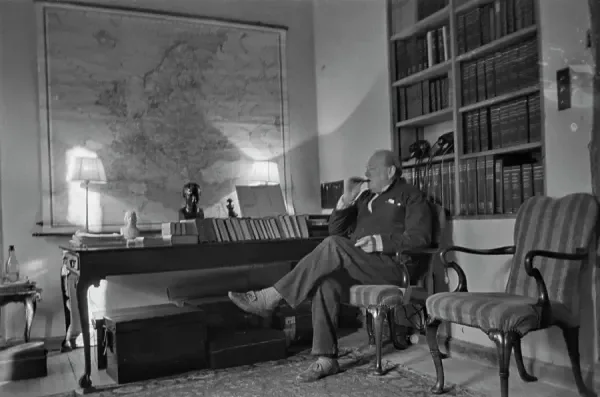
Winston Churchill seated in his study, smoking a cigar.
Churchill wasn’t alone. Military strategists have long understood the tactical value of naps. Fighter pilots, soldiers, and medical personnel have used short bouts of sleep to stay functional during long, high-stress operations.
For Churchill, the nap wasn’t a break from the war. It was part of how he fought it:
✅ Sharper focus in evening strategy meetings
✅ Improved decision-making under extreme pressure
✅ Emotional regulation during constant bombing campaigns
✅ Creative bursts when drafting speeches or policies
Even Franklin D. Roosevelt and Dwight Eisenhower—two of his wartime counterparts—admired his ability to stay mentally agile while everyone else wilted.
🧠 Why Naps Work (When You Get Them Right)
Modern sleep science backs Churchill up. A well-timed nap can:
Boost alertness and reaction time
Improve memory and learning
Enhance creativity and problem-solving
Stabilize mood and reduce stress hormones
But not all naps are created equal. Timing and length matter.
💤 Power nap (10–20 min): Refreshes without grogginess. Ideal for a quick reset.
🕑 Sleep cycle nap (~90 min): Lets the body complete one full sleep cycle. Great for deeper recovery (Churchill’s favorite).
🚫 Nap too late or too long, and you might disrupt nighttime sleep.
Churchill nailed the sweet spot: early afternoon, long enough to reset, not so late that it stole from his night.
🏡 You Don’t Need a War to Nap Like Churchill
The beauty of this strategy is that you don’t need to be Prime Minister—or dodging air raids—to reap the benefits. A short, intentional nap can turn an exhausted afternoon into a productive, even inspired, evening.
A few Churchill-inspired tips for modern nappers:
Aim for early afternoon. Between 1–3 p.m. works with your natural circadian dip.
Set the stage. Dim lights, cool the room, and use sound—like steady pink noise or soft rain—to block distractions.
Pick your length. Short for a recharge, longer if you can afford a full cycle.
Don’t guilt-trip yourself. Rest is strategy, not weakness. If it was good enough for Churchill in wartime, it’s good enough for you.
🔊 Sound: The Modern Nap Ally
Churchill didn’t have Spotify or noise-masking apps. But he did have quiet rooms, thick curtains, and the authority to command silence. Most of us aren’t quite so lucky.
That’s where sound design comes in. Pink noise, brown noise, or gentle nature soundscapes can create the same cocoon effect—masking the external world long enough for your brain to downshift. Many modern nap-timers use audio not to fall asleep faster, but to hold the environment steady so they don’t jolt awake every time someone shuts a door.
Try pairing your nap with a soundscape that has:
No melody (melodies keep your brain too alert)
No surprises (no sudden birds or beats)
Low, even frequencies (think soft whoosh, rainfall, distant surf)
🌅 A Nap Is Not a Defeat
When Churchill woke from his naps, he often said it felt like he’d lived two days in one. In the middle of a world war, he doubled his mental uptime—not by pushing harder, but by resting smarter.
That mindset flips the modern hustle narrative on its head. Rest isn’t indulgence. Rest is a tool. A sharpened edge.
So whether your battlefield is a war room, a classroom, or a cluttered inbox, remember: a nap isn’t a step back. It’s a launch pad.
👉 If you could build a nap into your daily routine—no guilt, no judgment—what would it look like? Power nap or full cycle? Rain sounds or silence? Couch, bed, or a Churchill-style pajama retreat?
#SleepScience #Napping #Churchill #SleepHistory #MindfulRest #NoQuickFix #SleepBetter #CircadianRhythm #PinkNoise