The Medieval Night Was Loud — How People Slept Through the Chaos 🌙🔔🐕
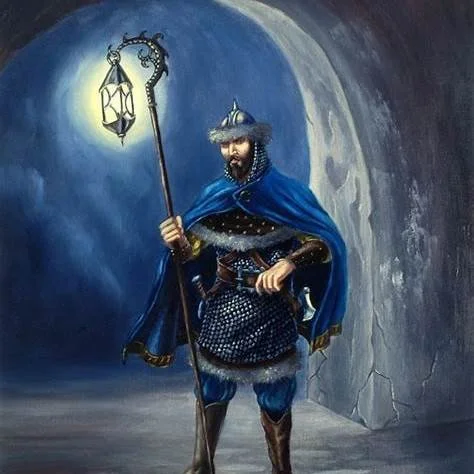
A medieval night watchman patrolling by lantern light
Imagine trying to drift off to sleep, wrapped in scratchy linen sheets, when outside your door a man with a lantern is yelling the hour into the night. A dog answers with a bark. Then another dog. Down the cobblestone street, an iron-shod cart clatters toward the market. Your neighbor snores through the thin wall. The wind rattles the shutters. Welcome to the medieval night—a place where sleep was hard-won, and silence was a luxury.
We often picture medieval villages as still and quiet after sunset. But the truth? The night was alive. And noisy.
🌜 The Watchman’s Cry: Medieval “Security Systems”
Before burglar alarms or police patrols, medieval towns relied on night watchmen. Their job was to keep the peace, ward off thieves, sound the alarm in case of fire, and sometimes just remind everyone that they were still awake.
How? By shouting.
As the town lay in darkness, these men walked the streets calling out the hour—loud enough to be heard through shutters and thick walls. “Two o’clock and all’s well!” might sound charming today, but at 2 a.m., it was more like a very unwelcome push notification. They often carried rattles, horns, or bells to scare off trouble… and in the process, kept entire neighborhoods semi-awake.
These shouts were part reassurance, part disruption: people liked knowing someone was watching over the night—but it also meant true silence was rare.
🐕 Barking Dogs and Clattering Carts
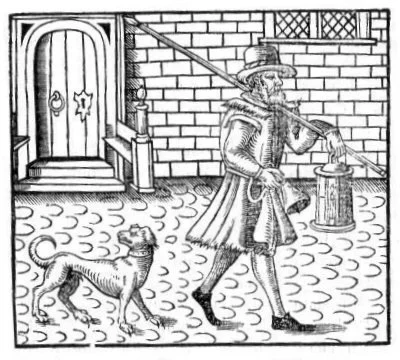
Watchman (law enforcement)
Town noise didn’t end with the watchman. Dogs roamed the streets freely in medieval Europe. Barking at strangers, howling at the moon, or answering each other in a chorus was common. Add to that late-night deliveries to inns, bakeries, or blacksmith forges that worked odd hours, and the clatter of wooden wheels on cobblestones became a familiar (and infuriating) soundtrack.
Even the soundscape of rural areas wasn’t serene. Chickens squawked. Pigs rooted in mud. Horses neighed and stamped. And because many families lived in close proximity to animals, nighttime was rarely quiet indoors either.
🛏️ How Medieval Households Fought the Noise
Without double-paned windows or soundproof drywall, medieval sleepers had to get creative. And they did.
1. Heavy Canopies & Draped Beds:
Beds often featured thick wooden frames and curtains or canopies made from wool or heavy cloth. These weren’t just for warmth or privacy—they acted like early acoustic buffers, muting some of the racket outside.
2. Shutters & Straw:
While glass was rare and expensive, most homes had wooden shutters they could close tightly at night. Some even stuffed straw or fabric between the cracks to block drafts and muffle sounds.
3. Layered Mattresses:
Mattresses were often layered with straw, wool, or feathers, which helped absorb noise from below and added a little softness. Think of it as the medieval version of noise-canceling foam.
4. Sleeping Together:
Most families slept in the same room—sometimes in the same bed. Not exactly peaceful, but it meant a sense of safetywhen the night outside was full of unpredictable sounds.
🕯️ Sleep Was Different, Too
Historian Roger Ekirch’s research reveals that pre-industrial people often experienced “segmented sleep”—two separate blocks of rest with a wakeful hour around midnight. During this time, people might whisper prayers, stoke the fire, check on animals… or just wait out the noise.
Because medieval towns never truly slept, neither did their inhabitants—not in one continuous stretch, anyway. That wakeful hour wasn’t insomnia. It was part of the rhythm of the night.
🔊 The Original Soundproofers
What’s fascinating is how much this medieval noise problem echoes our modern ones. Instead of barking dogs, we’ve got car alarms. Instead of watchmen, late-night delivery trucks. Instead of creaky shutters, glowing phones.
Their solutions—thick curtains, layered bedding, and controlled soundscapes—were the ancestors of today’s blackout blinds, white-noise machines, and pink-noise playlists. The instinct was the same: make the outside world fade awayjust enough to let the nervous system relax.
Modern audio apps and sound conditioners build on this ancient impulse. By flooding the room with a gentle, steady hum, they mask the chaos—just like a medieval canopy did with wool and wood. The tools changed. The goal didn’t.
🧠 What This Means for Us
If you’ve ever thrown a pillow over your head to block out a honking car or snoring neighbor, congratulations: you and a 14th-century villager have a lot in common.
The medieval world proves something comforting: the night has always been noisy—and humans have always invented clever ways to sleep through it.
And maybe that’s why so many of us love the soft hiss of a fan, the hush of rain, or the rumble of pink noise. Deep down, we’re not chasing silence. We’re chasing predictable sound. Our ancestors wrapped themselves in wool. We wrap ourselves in audio.
👉 If you lived in a medieval town, what would have been your biggest sleep nemesis—barking dogs, the watchman’s shout, or the clatter of carts? And what’s your modern noise shield—fan, app, earplugs, pink noise, ocean surf, or silence?
#SleepHistory #MedievalLife #SoundSleep #PinkNoise #SleepHygiene #SleepScience #Wellbeing #SleepBetter #HistoryOfSleep #NoiseAndSleep #BetterSleepTonight #SleepCulture